제주에서 여기까지
from Jeju all the way here
About us
Why we're called Jeju.
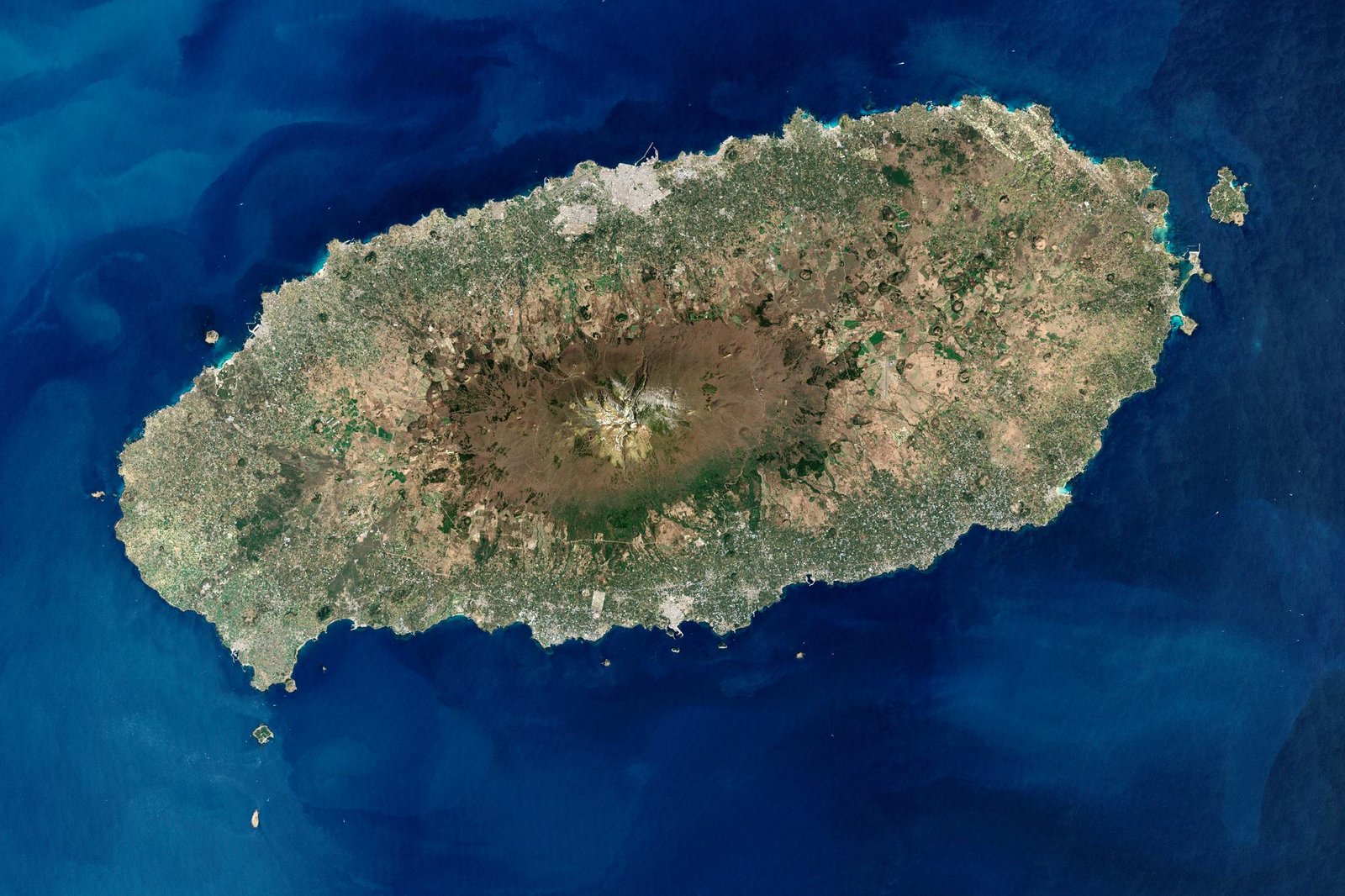
A volcanic island off the south of Korea. Black basalt, mandarin groves, wind that never quite stops. But when Koreans say “Jeju”, they rarely mean geography. They mean: getting out.
- 85 km
- off the mainland
- 1846 km²
- island area
- 2007
- UNESCO World Heritage
As the crow flies
9,098kilometres as the crow flies
제주도 · Jeju
Freiburg im Breisgau
That is how far the island lies from Grünwälderstraße — and how close, given that we cook here what is eaten there.
제주 · The island
An island that came out of the sea
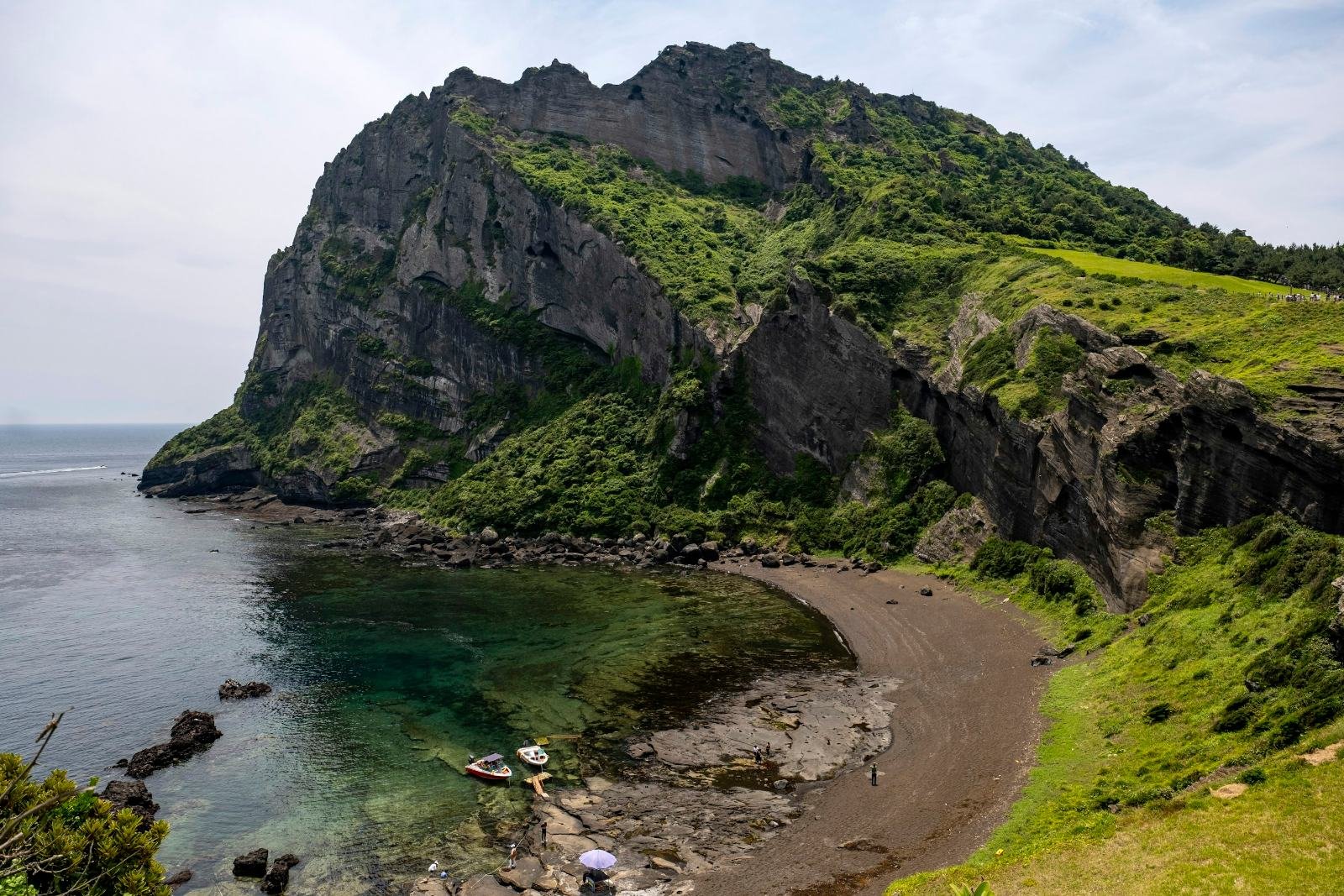
Some two million years ago a volcano broke through the seabed here. What remains is Hallasan, at 1,947 metres South Korea's highest mountain, ringed by around 360 smaller craters. Between them lie fields of black basalt, divided by walls stacked without mortar — they let the wind through rather than standing against it. Along the coast the 해녀, the sea women, dive for shellfish and seaweed without oxygen tanks, many of them well into their eighties. UNESCO has listed them as intangible cultural heritage since 2016.
여행 · Why Jeju
The place you go
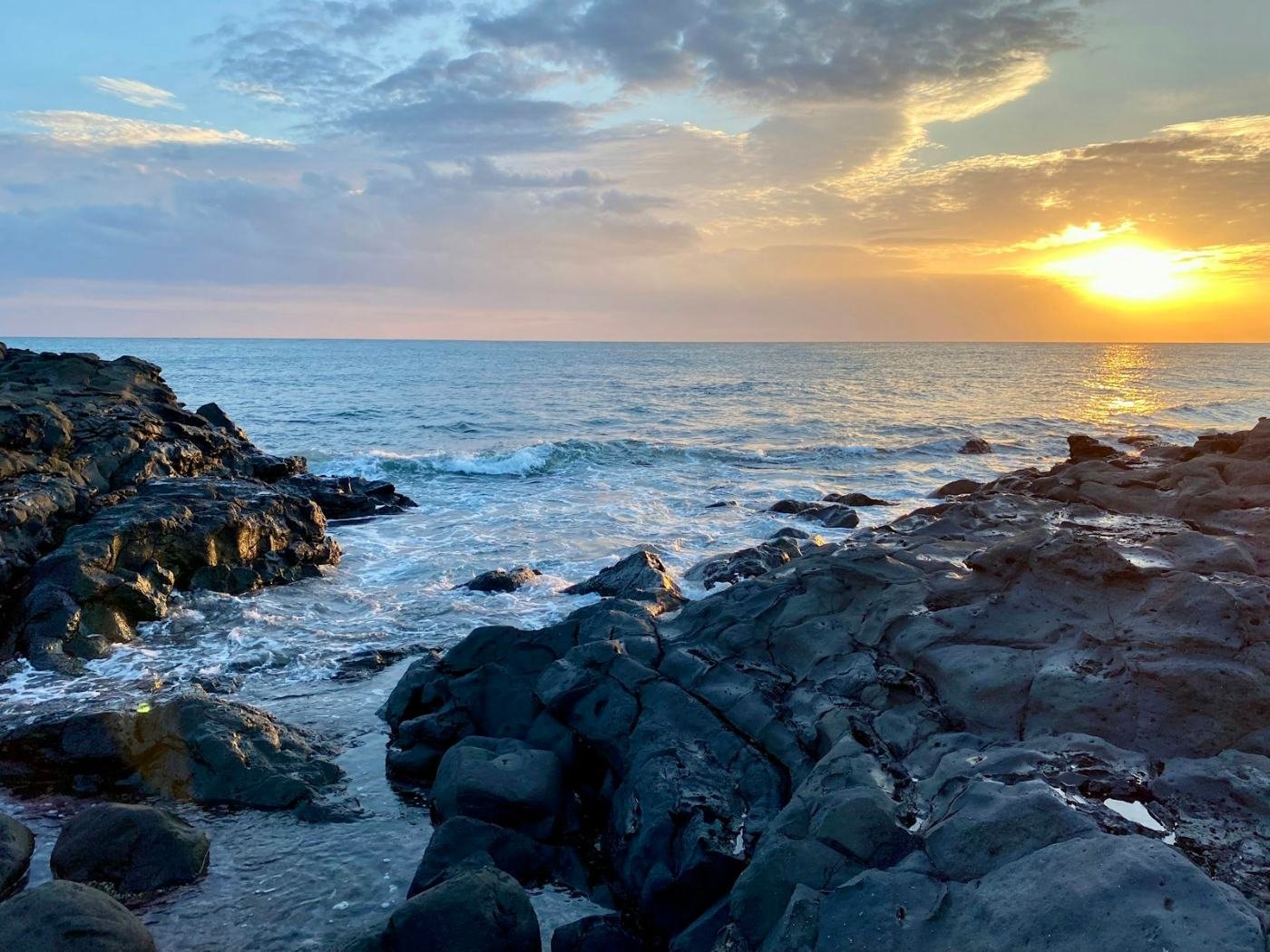
Jeju is Korea's holiday island. People fly there for a long weekend, for their honeymoon, when the city gets to be too much — Seoul to Jeju is the busiest air route in the world. What you bring back is rarely a souvenir. More often it's the feeling of having been somewhere else for a few days. That feeling is what we want to pass on here, for the length of a meal.
나눔 · The shared table
Out of the same bowl
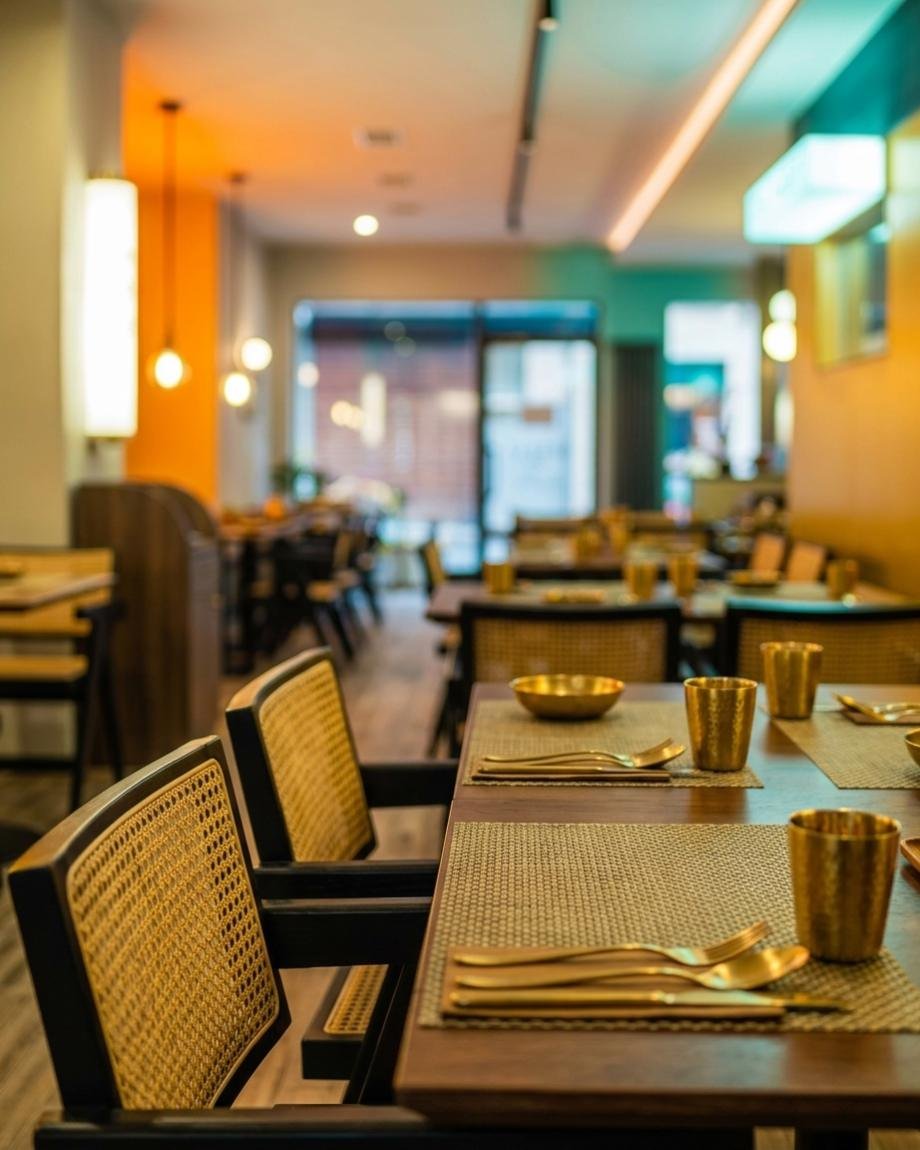
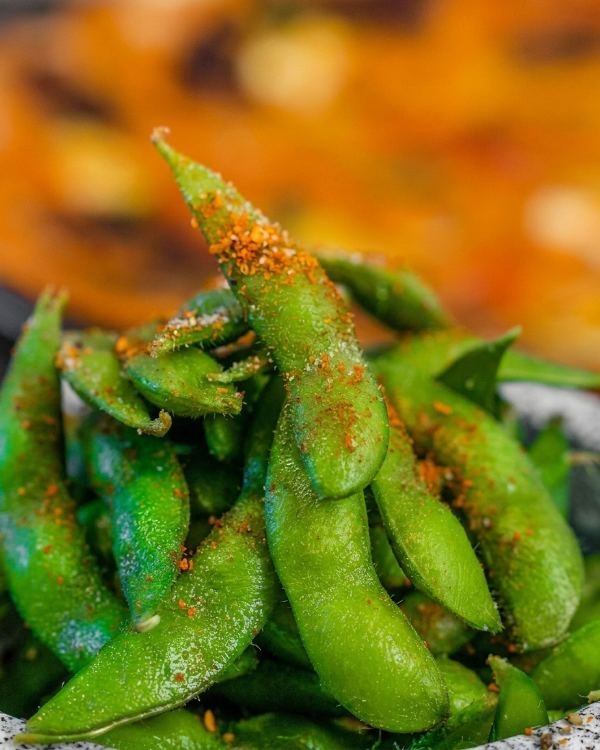
Whatever sits in the middle belongs to everyone. The banchan get refilled and never appear on the bill, everyone reaches into the same dishes, the rice stays in front of each person. First-timers notice it in one small thing: you don't pour your own drink. You fill someone else's glass — and they fill yours. We bring starters and mains one after the other; everything on the table is still shared.
밥 먹었어요?
Have you eaten?
And what of that reaches the plate?
Korean everyday cooking, the way it is made at home: bibimbap in a bowl or in a hot dolsot, fried chicken, mandu, house-made kimchi. Starters and mains, plus banchan to share.
4.6 out of 5 stars from 752 reviews on Google, as of August 2026.